‘Australians may be encouraged to get a fifth Covid shot as winter approaches, federal Health Minister Mark Butler said this week.
Butler told the ABC’s 7.30 program that the government was waiting on health advice regarding the additional booster shots for the general population.
He said the Australian Technical Advisory Group on Immunisation was due to provide a recommendation soon.
ATAGI recommended in November against people getting a fifth Covid vaccine because evidence from Singapore showed a fifth shot had only a “trivial” effect on case numbers.
Currently only adults with a severely compromised immune system are eligible for the shot.
Butler said although Covid case numbers had fallen to around 6500 per day this month, compared to 15,000 per day in December, it was important Australians started to prepare now for winter.
Psalm 2:1 Why do the heathen rage, and the people imagine a vain thing? 2 The kings of the earth set themselves, and the rulers take counsel together, against the LORD, and against his anointed, saying, 3 Let us break their bands asunder, and cast away their cords from us. 4 He that sitteth in the heavens shall laugh: the Lord shall have them in derision.
‘Dr. Pierre Kory, Chief Medical Officer of the FLCCC, and Dr. Paul Marik, Chief Scientific Officer, recently made updates to I-RECOVER: Post Vaccine Syndrome to address these concerns.
First, it is important to understand that not everyone who gets a COVID-19 vaccine will react in the same way. Dr. Kory describes three distinct groups:
“There are people who come to my practice who are vaccine-injured,” he says, “and they present with a constellation of symptoms.” Dr. Kory uses several strategies to try to help these patients, depending on their main complaints and the severity of their symptoms.
A second category of patients is experiencing a single complication caused by the vaccine rather than a myriad of symptoms. Treatments are also available for these patients and are often quite successful.
“Then you have people who have been vaccinated and are asymptomatic,” Dr. Kory goes on to explain. “They don’t have any acute or chronic symptoms.” These are often the people who are most concerned about whether they have a potential ‘ticking time bomb’.
The four- to six-month window
For these people, there is some good news depending on the date of their last injection. If your last vaccination or booster was more than five or six months ago and you’ve experienced no adverse symptoms, you are likely in the clear.
“We used to say most people who are vaccine injured have symptoms within days to weeks,” says Dr. Marik, “so if you’re beyond that we used to say you’ve dodged a bullet and you’re OK. But it seems like there are people who are otherwise healthy, who have no signs and symptoms of vaccine injury, and who within this window of four to six months die suddenly from an acute cardiac event.”
There are two peak windows when deaths that may be linked to vaccination seem to occur. “They happen either within a few days, which we think is acute heart inflammation causing myocarditis and then a fatal arrhythmia,” says Dr. Kory. “And then there are those that die around five months later.”
“If you are well after five months out, or a year out, with no symptoms, no problems, I really do want to reassure you that I think you’re okay.”
Dr. Kory and Dr. Marik, along with other colleagues of theirs, think the deaths that happen around the five-month peak are related to massive fibrin clots.
“If you are well after five months out, or a year out, with no symptoms, no problems, I really do want to reassure you that I think you’re okay,” Dr. Kory says, noting that many people have had no reaction to the vaccines.
If you were vaccinated or boosted within the past five months and are now worried because of the emerging evidence and data showing excess mortality and sudden deaths, the FLCCC doctors have made some suggestions based on their understanding of the processes that may be leading to the sudden cardiac events. They are, however, cautious because there has been no science or research effort put into understanding the causes of vaccine injury since major public health institutions continue to insist the vaccines are safe and effective and that side effects are rare and temporary.
“Knowing what we know of the science, of the consequences of these vaccines, and of the time distribution of these major events, we think it’s prudent to be on anti-platelets (aspirin) and fibrinolytics (nattokinase, lumbrokinase) in the hopes that somehow this mitigates or interrupts the development of these life-ending clots at five months out,” Dr. Kory advises.
Ideally, Dr. Marik says that asymptomatic patients who are in this time frame post-vaccination would be risk stratified, and those with moderate to high risk started on preventative measures. Unfortunately, since the risk of sudden death post-vaccine has not been generally recognized and has therefore not been studied, there is no data to allow for risk stratification.
In the absence of a risk-stratified approach, patients may wish to discuss the following interventions with a trusted healthcare provider:
Daily low-dose aspirin (81 mg)
Nattokinase (100-200 mg twice daily) (in those with low risk of bleeding)
In addition, since many deaths seem to occur during physical activity (think about the rash of sudden deaths in soccer players), vigorous physical activity (especially for younger people) should be avoided for at least 3 weeks following vaccination or boosting.
“Can we promise this will mitigate your risk? No. Do we think it’s going to save your life? No,” says Dr. Kory. “But these are potential protective interventions that are common sense, safe, pragmatic things you can do in the hopes of preventing such life-threatening events.”
‘Not even Kangaroo meat has been spared from the cost of living crisis currently gripping the nation.
The price of roo meat has soared from around $10 a kilo to almost $40 a kilo as a combination of wet weather, government regulation and a declining number of shooters puts pressure on supply.
A meat expert quoted in the Daily Mail said increased rainfall meant paddocks had become inaccessible to kangaroo shooters.
“This makes it extremely difficult to shoot and retrieve kangaroos without getting bogged,” he said.
He added that the difficulty in obtaining a government license to shoot kangaroos had put many shooters off the industry.
“To be a shooter you need to have a ute capable of carrying and processing carcasses,” he said.
“This means you need a tray and rack build made of stainless steel with wash-down facilities and all the other bits you’ll need to pass certifications.
“These can cost upwards of $25,000 to have built in some areas. Add in the cost of diesel at $2 per litre and you’ve significantly eaten into profit margins.”
Even the cost of bullets had increased exponentially, he said.
“It’s certainly not cheap to shoot. Throw in cost of licensing and the cost of kangaroo tags and it really becomes difficult to financially justify continuing as a kangaroo shooter.”
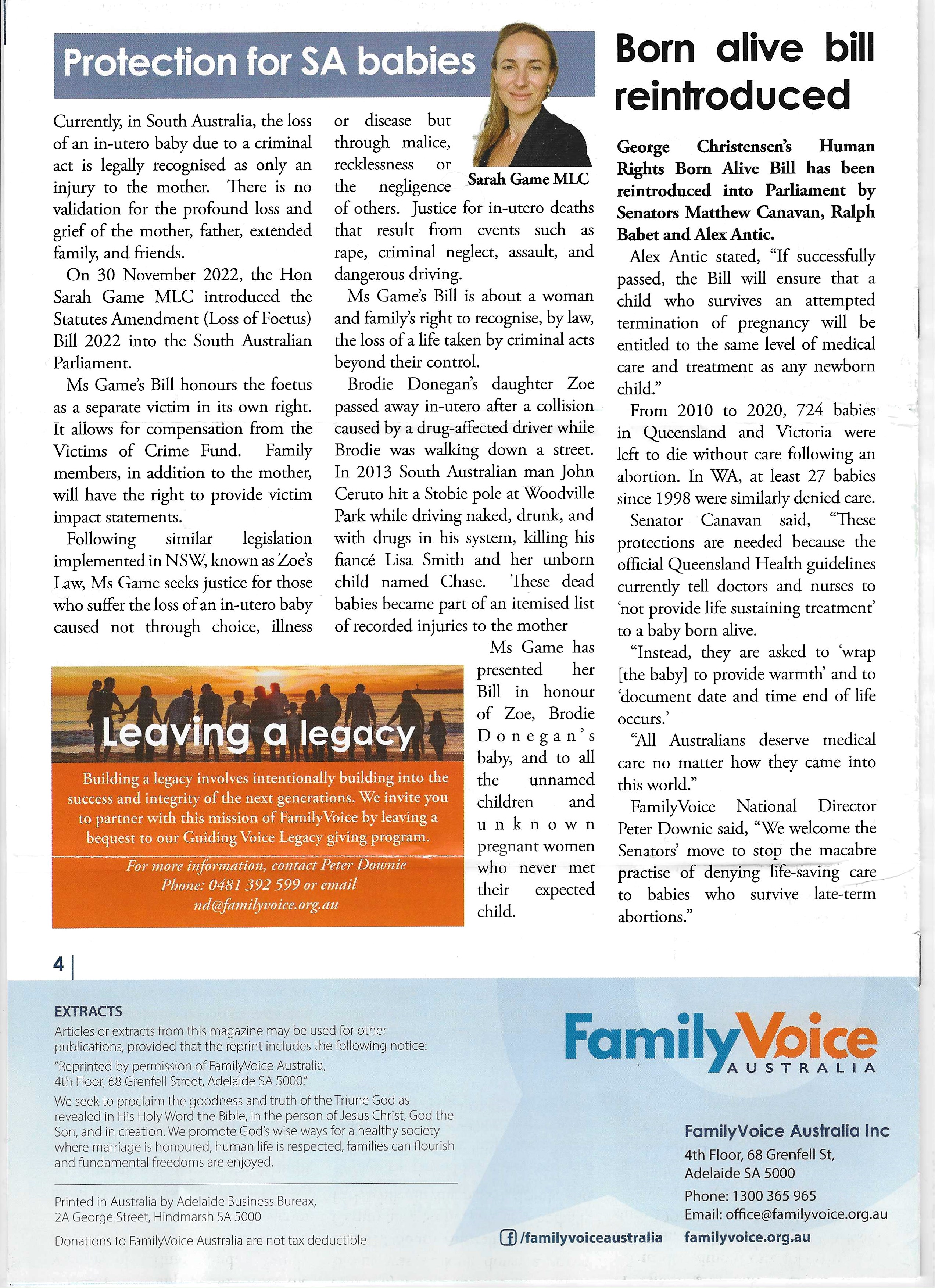
This type of bill seems to be unnecessary for a supposedly civil society. You have groups seeking to save the whale and save the Koala but save the unborn isn’t on their radar.
As thousands of people flocked to Sydney Harbour to view the spectacle, some viewers of the national broadcaster were less impressed with what they saw which was led by Charlie Pickering, Zan Rowe and Jeremy Fernandez.
Following the Calling Country fireworks display over the Harbour at 9pm, the live music commenced which featured acts such as Tones and I, Ball Park Music, Vika & Linda, Dami Im, Morgan Evans and Tasman Keith.
‘This follow-up is to my recent sub stacks attempting to connect the dots of the World Economic Forum (WEF) and their goals for expanding their agenda in order to stick to their timeline regarding the continent of Africa.
I look at things this way when I think about the WEF: hypothetically speaking, if a gang decides to get together once a month with knives and decide under the cover of darkness to go out and slash the tires of every car parked on residential streets of a city, and the next day all the tires of every car parked on those streets have in fact been slashed, you may not be able to prove the gang did it, but if it happens enough you might start to suspect and question what is happening and who is responsible.
After covering this for some time now, I am convinced not only does the WEF consistently tell you what they are going to do, they sure love to prepare in advance/undertake all of these preparations before they implement what they are going to carry out. For example, before COVID-19 and Monkey pox, they prepared for and ran their germ games; then COVID-19 and Monkey pox happened.
We may tend to assume WEFs decisions only center on health or viruses/diseases. Now they appear to be reprioritizing/reassessing their priorities based on policy. With this updated announcement, there are six themes developed in 2022 that have continued to be refined to set the stage for the 2023 conference beginning in less than a month, from 16-20 January:
Theme #1: Ukraine shines a light on importance of global cooperation
Theme #2: Three interconnected crises – climate, food, energy
Theme #3: Don’t use the ‘R’ (recession)word (but it might be coming anyway)
Theme #4: Preparing for the next pandemic requires endinghealth disparities
Theme #5: Gender, inequality and Jobs of Tomorrow
Theme #6: ‘Our future is digital’
Theme #6 is enough of a looming threat because it invokes the rollout of things like central bank digital currencies (CBDCs), universal basic income and a social credit system like we are seeing in places like China and India.
But it was Theme #4 that had me shake my head and do a double-take. Ending health disparities…what the heck does that mean?
When I started to read and unpack what Theme #4 was saying and found that it stated right up front “…where just 13% of people are vaccinated (compared to 75% of people in high-income countries)”, I knew they must be mainly talking about Africa. I’ve seen that statistic before, so I guessed Africa right off the bat before reading any further, and I was right. I questioned the 13% metric and wanted to double check it, so based upon a total population in Africa of 1.4 billion, based on this search; 373.1 million Africans have been fully-vaccinated as of December 21, 2022, making the percentage closer to 37%, still a relatively low percentage compared to many developed countries.
FYI: Joshua Phillip also did a nice Crossroads piece on Epoch TV on this topic the other day, and you can catch that here if you missed it.
Then, I saw this this very concerning statement from the WEF announcement under Theme #4:
“Investing in health systems and regional bodies like Africa CDC and African Medicines Agency must be a key priority,” said Paul Kagame, President of Rwanda. “We have to act in the full expectation that there will be another pandemic.”
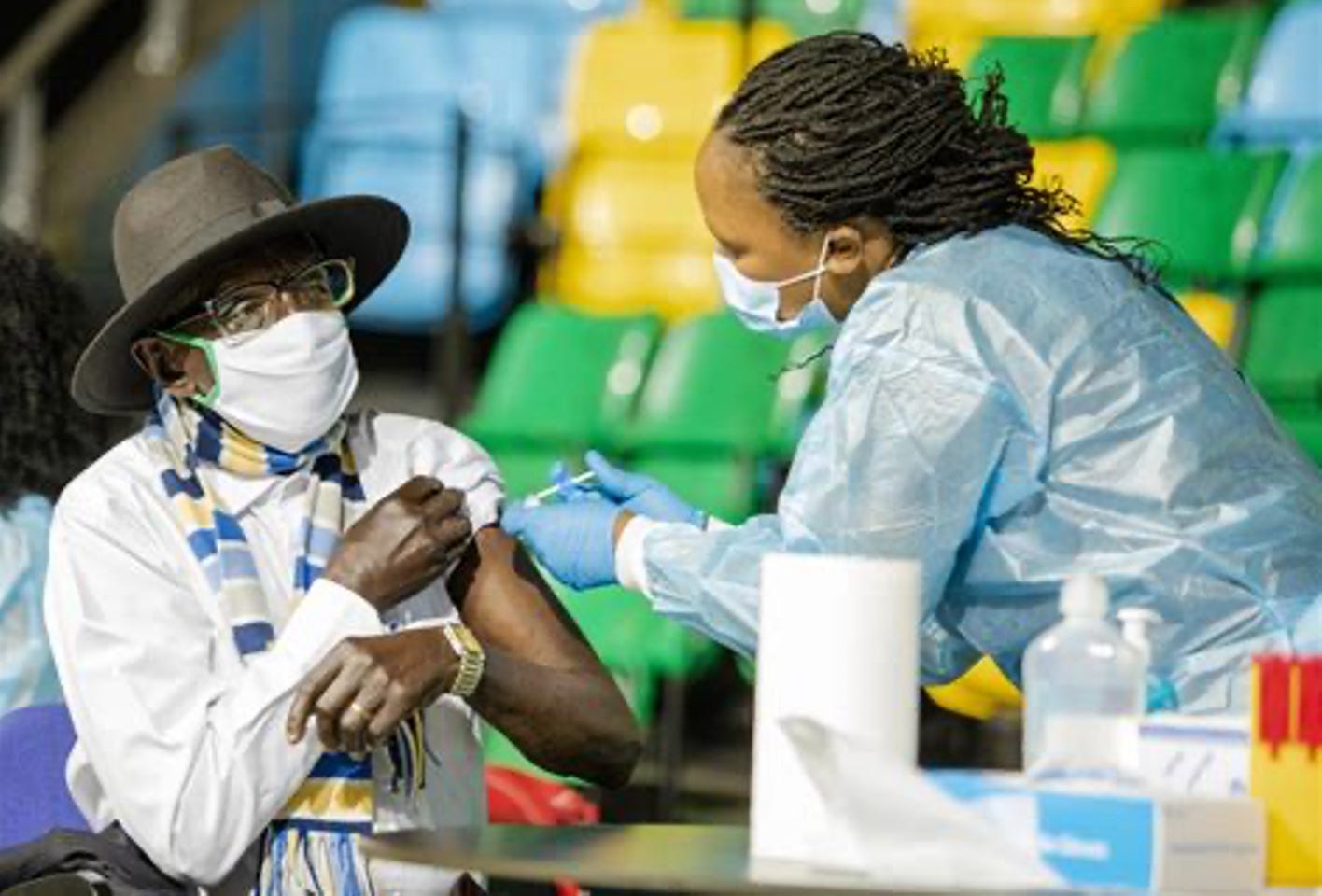
Rolling out COVID-19 vaccines in Rwanda | WHO | Regional Office for Africa Source: afro.who.int
My goodness, could Africa become the next epicenter, the next Ground-zero of the next pandemic? Is this their intention? Africa has one of the lowest percentages of COVID-19 infection rates and deaths in the world, and perhaps the low vaccination rate could explain why. Is it possible the WEF and corrupt, globalists’ corporations now want to punish Africa for this because they don’t like these statistics? Mostly due to malaria, Africa is also a nation where many have trusted taking repurposed anti-viral drugs to prevent malaria such as Hydroxychloroquine, which has also been distributed widely and is much easier to access relative to the Unites States (after Janet Woodcock and Rick Bright conspired to circumvent both the will of the POTUS and Peter Navarro). Of course, it is highly likely that Hydroxychloroquine is one way Africa has managed to minimize the spread and reduce the number of cases and hospitalizations from the novel Coronavirus
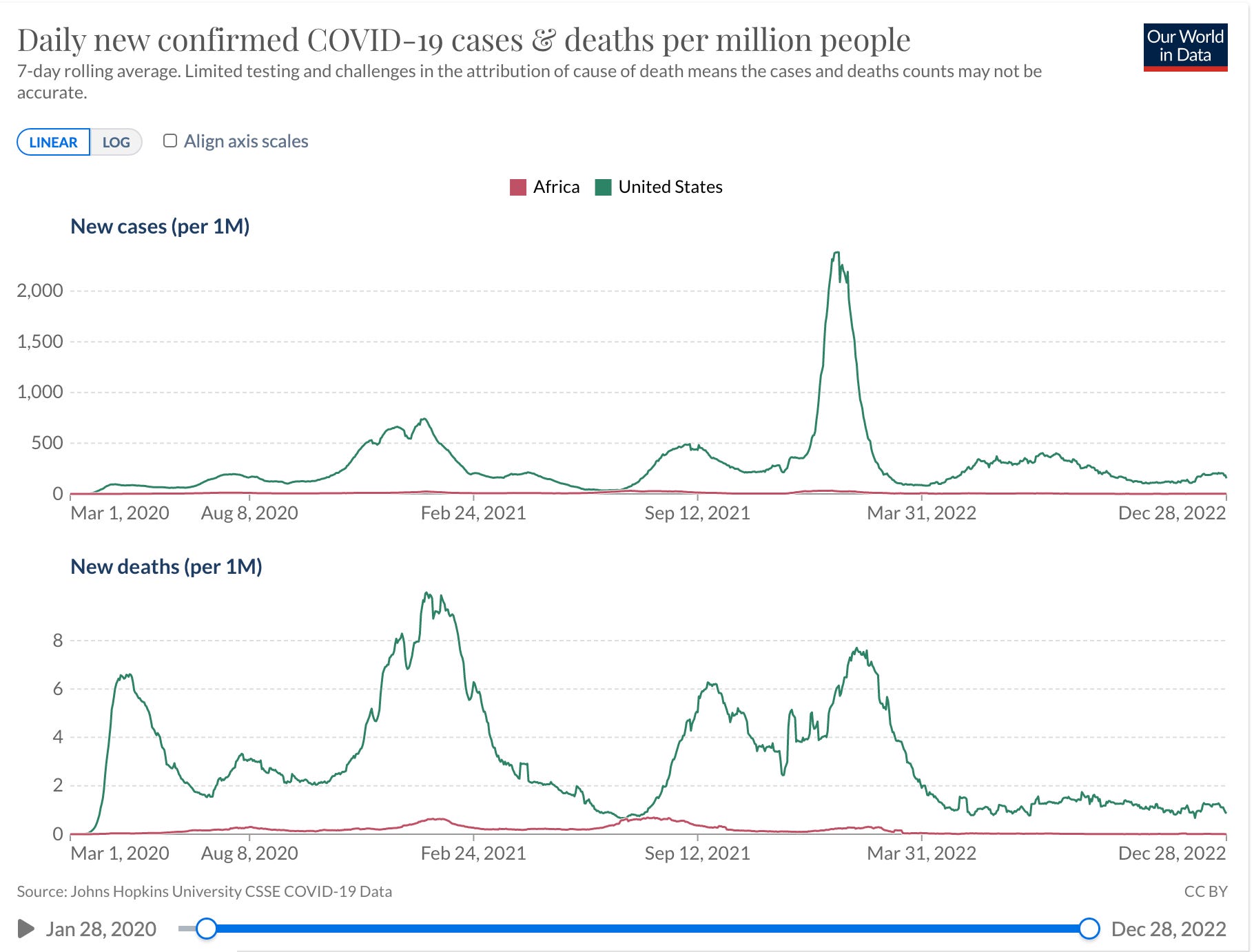
Of course, deaths per million is the final endpoint.
So let’s compare… The United States of America (green line) to Africa (red line). For those that are color blind, the line on the bottom of both charts- with almost no new cases and no deaths- yeh, that is Africa…
It is hard to argue with this chart. How did the “health disparities” between the USA and Africa cause Africa more death or more COVID cases per million (as the WEF claims)? It didn’t. Clearly, it didn’t and it doesn’t take a statistician to see that!
Why would all of this matter? Well, it seems as though the WEF is moving the goalpost and trying to redefine what constitutes a global health crisis, what constitutes improved health equity. This is a recipe for more concentrated socialist health policies forced on the people who live in nations like Africa. The WEF has fairly consistently up until now framed global health crises along the lines of deadly viruses, outbreaks of infectious diseases.
This move would seem like a new virtue signaling tactic to link it to health disparity as a new way to frame a global health crisis. As if to say: if we don’t think your country has enough socialized medicine, we can solve this problem for you. On top of this, Winnie Byanyima, Undersecretary-General of the UN and Executive Director of the Joint UN Programme on HIV/AIDS (UNAIDS), during a recent session on racial equity on the anniversary of George Floyd’s death, made this bizarre statement:
“Racism is when black people, brown people, people of colour take their last breath because of policy violence, when they are denied life-saving, pandemic-ending medicines,” she continued, “when they can’t access care or education because debt is choking them.”
She elaborated by what she meant by ‘policy violence’ as being a failure to share COVID-19 vaccines with the Global South as being ‘Racism’. So if you are a corporation, a business, a nation that has not vaccinated enough Africans, by her definition, you are guilty of the crime of policy violence (and by extension, racism).
It’s easy to see why this move is appealing to the WEF: if the WEF can step in and end racial disparity in Africa, they can vaccinate more Africans and achieve their goals in that region.
This background may help to understand why the Biden Administration just last week pledged $55 Billion in aid to Africa over the next three years. President Biden declared that his country is “all in on Africa’s future,” adding, “When Africa succeeds, the United States succeeds.”
This reminds me of the steady stream of money the U.S. keeps printing to send over to Ukraine which is getting harder and harder to trace and show any accountability for. Perhaps out of guilt or shame, both of which play right into this narrative, corporations mentioned in the Biden $55 Billion aid article are now coming out of the woodwork and pledging money for various related globalist projects that will build a framework necessary to target Africa.
There is always plenty of money to go around when the WEF is involved. Therefore, we must continue to monitor what the WEF is doing (and who they are motivating to partner along with them). It is important to pinpoint what does and what does not come true, based on what they tell us they are going to do. Just how far does their influence reach? Are they directly impacting future globalist trends? Is their goal truly“endinghealth disparities” or is it relating to the expansion of a command economy and centralized planning – otherwise known as socialism on a global scale?



 whatyareckon