
It was interesting to read Jonathon Van Marren when he said ‘I’ve always been skeptical of the “pro-life celebrity.” Not because I don’t think that celebrities who sincerely oppose abortion don’t exist, but because I believe celebrities are both unreliable and often undesirable advocates.
An artist or actor may oppose abortion while creating sexually-charged entertainment that contributes to the degradation of our culture, for example. Or, as in the case of pop stars like Selena Gomez (who swapped her purity ring for abortion bling) they discard their previous views due to industry pressures or peers.
Pro-life celebrities generally fall into two categories. First, there are those oppose abortion for profoundly personal reasons. Jack Nicholson, for example, discovered later in life that his “mother” was actually his grandmother and that the woman he thought was his sister was his mother, who had been pressured to abort him.
As a result, he noted in one interview when asked about abortion, “I’m positively against it. I don’t have the right to any other view.” Similarly, singer Celine Dion was her mother’s fourteenth child, and initially considered an abortion before being talked out of it.
Justin Bieber’s mother was also pressured to abort him, and he has stated that he thinks abortion is “like killing a baby.” Martin Sheen’s wife was conceived through rape, a fact which he has referenced with regard to his anti-abortion views. Despite this, Sheen is a dedicated Democrat, and it is important to note that many “pro-life celebrities” still vocally support pro-abortion politicians.
Discovering just how close one came to becoming what Christopher Hitchens has referred to as a “forgotten whoosh” often makes it impossible for people to regard abortion as a simple matter of rights or healthcare. A near miss can be morally clarifying.
There are also those who are pro-life as part of a larger worldview. Patricia Heaton, who often shares pro-life content on social media, is a Catholic. So is Mel Gibson, who has shared his pro-life views in interviews (and has also contributed financially to pro-life work in the past.)
Hollywood’s handful of conservatives are generally pro-life as well, including Jon Voight, Tom Selleck, and Chuck Norris. Conservatives, of course, are becoming even rarer in Hollywood in the wake of the Great Awokening, which is accompanied by purges of those with even liberal sentiments.
And then there is Kanye West, a man who defies all categories.
On Independence Day, he announced that he is off the Trump Train and running for president of the United States, although thus far no campaign has materialized (he says he will be running for “the Birthday Party,” because “when we win it’s everybody’s birthday.”)
Back in 2011, West tweeted that “An abortion can cost a ballin’ n**ga up to 50gs maybe 100. Gold diggin’ b**** be getting pregnant on purpose,” later clarifying that “it ain’t happen to me but I know people.” Then, an interview for his latest album, he criticized the Democrats for “making us abort our children.”
Last week he expanded on those views, telling Forbes that “Planned Parenthoods have been placed inside cities by white supremacists to do the Devil’s work,” a reference to the racist and eugenicist history of the American abortion giant. “I am pro-life because I’m following the word of the Bible,” he added.
Planned Parenthood’s director of Black Leadership and Engagement responded by stating that the “real threat to Black communities’ safety, health, and lives stems,” among other things, from “the criminalization of reproductive healthcare by anti-abortion opposition.”
Kanye recently tweeted and then deleted a screenshot of a Google search for “what does a 6 month fetus look like.” Along with the now deleted image, he wrote, “These souls deserve to live.”
It is unquestionably good for the pro-life cause that a man with such an enormous platform is using it to call out the American abortion industry, as West reaches an audience that pro-lifers have often had difficulty reaching. With that said, pro-lifers would do well to be cautious. West is notoriously erratic, and a lot of his ramblings can end up being pretty weird.
In a culture obsessed with celebrity, there is a huge temptation to immediately promote and embrace any famous person saying some of the right things. While encouraging and affirming those things is essential, we shouldn’t give these folks the status of moral leadership overnight.
West in particular has gone on a roller-coaster with regard to many of his different views, and his reliability, despite hopeful indicators, remains to be seen. We should not make celebrities — even those going after the abortion industry — into our heroes.’ https://www.prophecynewswatch.com/article.cfm?recent_news_id=4163
Creation
Ever since Adam made the choice to partake of eating the forbidden fruit man has been making wrong choices. Life is made of making choices. All of us have made good choices and some bad choices.
One does not have to have a medical degree to know there are two genders. However, today, there are those in education who are seeking to lead others into making the choice of being a so-called transgender. Transgenderism, like being a sodomite has been in the so-called closet for years but it is NOW OUT in the open. Allowing sodomite’s to marry OPENED the gate for transgenderism. Transgenders are now teaching your children in the schools and this is being accepted as normal. This is just another anti-Creator God worldview that is being foisted upon society.

‘It was an early January morning in Maine and the temperature outside was somewhere below zero. I don’t think it matters all that much once the mercury drops below freezing; it was cold. I was sitting in my warm car trying to find the courage to walk across the parking lot and go inside. I had cafeteria duty at the high school where I was a teacher for eight years. During my tenure at this school and at all the other schools I taught at for seventeen years, I was know as Mr. Drew, but that was all about to change.
Like many trans people, I knew from an early age that my gender identity was special, and that I was more like my two sisters and my mom, than my four brothers and my dad. I tried to explain my feminine feelings to my loving, yet bewildered parents when I was about twelve, and all I got was an invitation to talk to our priest. I passed on their offer and my life continued onward, or should I say, my two lives. I lived outwardly as a boy, man, and eventually a husband, but on the inside as a girl and woman. By the fall of 2010, I was emotionally exhausted and had come to the realization that I needed to be honest with myself, to save myself. But those words are easier said, than the reality of showing up to work, as a well known high school teacher and track coach in Southern Maine, as Ms Drew instead of Mr. Drew. What I didn’t know then was I was to become one of the first OUT transgender public school teachers in Maine, and one of the first transgender high school coaches in the country.’ https://hhrcmaine.org/blog/transgender-maine-the-kids-are-alright-by-gia-drew/
If you are a parent or grandparent you need to speak out. Make your voice heard that this is sin and you will not accept it being portrayed as normal or taught in your school. Remember, that’s how Hitler came to power, people kept their mouth shut.
Mark 10:6 But from the beginning of the creation God made them male and female.
With all this anarchy and hatred that encompasses BLM it is good to review the life of a man of color and true Christian character. That man is George Washington Carver.
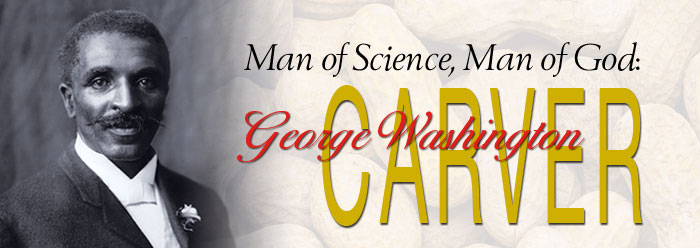
‘Who: George Washington Carver
What: Father of Modern Agriculture
When: 1864 or 1865 – January 5, 1943
Where: Diamond Grove, Missouri
Probably no other scientist has had to face as many social barriers as George Washington Carver, the black American botanist noted for revolutionizing agriculture in the southern United States. He was born towards the end of the Civil War to a slave family on the farm of Moses Carver. As an infant, he and his mother and sister were kidnapped by Kentucky night raiders.
It’s unclear what happened to his mother and sister, but George was rescued and returned to the Carvers, who raised him and his brother James. He grew up in a deeply segregated world, and very few black schools were available in the South. But his desire for learning prompted him to persevere, and he earned his diploma from Minneapolis High School in Minneapolis, Kansas.
Entering college was even more difficult, but he was eventually accepted at Simpson College in Indianola, Iowa, to study art. In 1891, he transferred to Iowa State Agriculture College in Ames (now Iowa State University) to study botany, where he was the first black student and later the first black faculty member. While there, he adopted the middle name “Washington” to distinguish himself from another George Carver. He received his undergraduate degree in 1894 and his masters in 1896, and became a nationally recognized botanist for his work in plant pathology and mycology. After receiving his masters, he joined Booker T. Washington at the Tuskegee Normal and Industrial Institute (later Tuskegee University) in Alabama to teach former slaves how to farm for self-sufficiency.
Carver revolutionized agricultural science with his cultivation of soil-enriching crops, such as peanuts and soybeans, to revive earth that had been depleted of nutrients from cotton farming. He discovered over 100 uses for the sweet potato and 300 uses for the peanut, including beverages, cosmetics, dyes and paints, medicines, and food products. He conducted numerous research projects that also contributed to medicine and other fields, and used his influence to champion the relief of racial tensions.
He was offered many honors and substantial wealth from patents, but Carver chose not to patent his discoveries: “One reason I never patent my products is that if I did it would take so much time, I would get nothing else done. But mainly I don’t want my discoveries to benefit specific favored persons.”1
Frugal in finance and humble in character, Carver was undoubtedly a deeply devoted Christian. He attributed inspiration of his work to God,2 and his studies of nature convinced him of the existence and benevolence of the Creator: “Never since have I been without this consciousness of the Creator speaking to me….The out of doors has been to me more and more a great cathedral in which God could be continuously spoken to and heard from.”3
Carver died January 5, 1943 of complications from injuries he incurred in a bad fall. His life savings of 60,000 dollars was donated to the museum and foundation bearing his name. The epitaph on his grave on the Tuskegee University campus summarizes the life and character of this former slave, man of science, and man of God: “He could have added fortune to fame, but caring for neither, he found happiness and honor in being helpful to the world.”’ https://www.icr.org/article/science-man-god-george-washington-carver

References
- Carver Quotes. Posted on the George Washington Carver National Monument website at www.nps.gov/gwca.
- Carver is quoted as saying, “I never have to grope for methods. The method is revealed at the moment I am inspired to create something new. Without God to draw aside the curtain I would be helpless.” Federer, W. J. 1994. America’s God and Country Encyclopedia of Quotations. Coppell, TX: FAME Publishing, 96.
- Ibid, 97.

* Ms. Dao is Assistant Editor.
Cite this article: Dao, C. 2008. Man of Science, Man of God: George Washington Carver. Act & Facts. 37 (12): 8.
Former Australian Prime Minister Kevin Rudd says he believes in Climate Change and that ‘Sea levels will rise between half a metre and a metre on average globally” https://kevinrudd.com/2020/02/12/australia-climate-change-and-the-complacent-country/ . Well, that’s what Kevin says but is that really what Kevin believes or lives?
For a measly seventeen million ‘Kevin Rudd and his wife, Therese Rein, were unmasked as the buyers of a seven-bedroom, five-bathroom, 1285-square-metre beachfront property, in what marks a return to the former prime minister’s birthplace.’

This is the only place where Climate Change will not affect the beach! One wonders how Kevin Rudd knew this?
Genesis 8:22 While the earth remaineth, seedtime and harvest, and cold and heat, and summer and winter, and day and night shall not cease.
While Australia sells its coal overseas it has an obsession with so-called renewable energy like wind and solar for Australia. Here Alan Jones is scolding Federal Energy Minister Angus Taylor for not doing the right thing by Australia.
‘Remember the cliche parroted by every Australian general ever interviewed that we have the smartest and most well-trained soldiers in the world?
Well, in this time of diversity Defence has decided that it needs to give a powerpoint presentation explaining that a woman is different than a man…

If our soldiers really are the smartest in the world and the top brass is feeding them this rubbish, then we have got the dumbest generals in the world.’ http://bernardgaynor.com.au/2020/06/08/diversity-makes-us-dumber/
‘Of all the sciences, the Holy Bible has more to say about astronomy than any other. The Scripture speaks of the sun, moon, stars, the host of heaven, planets, and constellations. It talks about the heavens, the firmament, and tells us that the lights in the sky were made for the earth, for man, to give light by day and by night, to serve as signs, and to determine the seasons. The ancients, particularly the Jews, claim Adam as the first astronomer. They number Seth, Enoch, Shem, and Abraham among the greatest ancient astronomers. Major astronomical themes occur in Genesis, Numbers, Joshua, Judges, Job, Psalms, Amos, Luke, Hebrews, 1 & 2 Peter, Jude, and Revelation.’ http://www.geocentricity.com/
‘IN presenting John Jasper’s celebrated sermon on “De Sun Do Move, “I beg to introduce it with several explanatory words. As intimated in a former chapter it is of a dual character. It includes an extended discussion, after his peculiar fashion, of the text, “The Lord God is a man of war; the Lord is His name.” Much that he said in that part of his sermon is omitted, only so much being retained as indicates his view of the rotation of the sun. It was really when he came into this part of his sermon that he showed to such great advantage, even though so manifestly in error as to the position which he tried so manfully to antagonize. It was of that combative type of public speech which always put him before the people at his best. I never heard this sermon but once, but I have been amply aided in reproducing it by an elaborate and altogether friendly report of the sermon published at the time by The Richmond Dispatch. Jasper opened his discourse with a tender reminiscence and quite an ingenious exordium.

“Low me ter say,” he spoke with an outward composure which revealed an inward but mastered swell of emotion, “dat when I wuz a young man and a slave, I knowed nuthin’ wuth talkin’ ’bout consarnin’ books. Dey wuz sealed mysteries ter me, but I tell yer I longed ter break de seal. I thusted fer de bread uv learnin’. When I seen books I ached ter git in ter um, fur I knowed dat dey had de stuff fer me, an’ I wanted ter taste dere contents, but most of de time dey wuz bar’d aginst me.
“By de mursy of de Lord a thing happened. I got er room-feller–he wuz a slave, too, an’ he had learn’d ter read. In de dead uv de night he giv me lessons outen de New York Spellin’ book. It wuz hard pullin’, I tell yer; harder on him, fur he know’d jes’ a leetle, an’ it made him sweat ter try ter beat sumthin’ inter my hard haid. It wuz wuss wid me. Up de hill ev’ry step, but when I got de light uv de less’n into my noodle I farly shouted, but I kno’d I wuz not a scholur. De consequens wuz I crep ‘long mighty tejus, gittin’ a crum here an’ dar untel I cud read de Bible by skippin’ de long words, tolerable well. Dat wuz de start uv my eddicashun–dat is, wat little I got. I mek menshun uv dat young man. De years hev fled erway sense den, but I ain’t furgot my teachur, an’ nevur shall. I thank mer Lord fur him, an’ I carries his mem’ry in my heart.
” ‘Bout seben months after my gittin’ ter readin’, Gord cunverted my soul, an’ I reckin ’bout de fust an’ main thing dat I begged de Lord ter give me wuz de power ter und’stan’ His Word. I ain’ braggin’, an’ I hates self-praise, but I boun’ ter speak de thankful word. I b’lieves in mer heart dat mer pra’r ter und’stand de Scripshur wuz heard. Sence dat time I ain’t keerd ’bout nuthin’ ‘cept ter study an’ preach de Word uv God.
“Not, my bruthrin, dat I’z de fool ter think I knows it all. Oh, mer Father, no! Fur frum it. I don’ hardly und’stan myse’f, nor ha’f uv de things roun’ me, an’ dar is milyuns uv things in de Bible too deep fur Jasper, an’ sum uv ’em too deep fur ev’rybody. I doan’t cerry de’ keys ter de Lord’s closet, an’ He ain’ tell me ter peep in, an’ ef I did I’m so stupid I wouldn’t know it when I see it. No, frens, I knows my place at de feet uv my Marster, an’ dar I stays.
“But I kin read de Bible and git de things whar lay on de top uv de soil. Out’n de Bible I knows nuthin’ extry ’bout de sun. I sees ‘is courses as he rides up dar so gran’ an’ mighty in de sky, but dar is heaps ’bout dat flamin’ orb dat is too much fer me. I know dat de sun shines powerfly an’ po’s down its light in floods, an’ yet dat is nuthin’ compared wid de light dat flashes in my min’ frum de pages of Gord’s book. But you knows all dat. I knows dat de sun burns–oh, how it did burn in dem July days. I tell yer he cooked de skin on my back many er day when I wuz hoein’ in de corn feil’. But you knows all dat, an’ yet dat is nuthin’ der to de divine fire dat burns in der souls uv Gord’s chil’n. Can’t yer feel it, bruthrin?
“But ’bout de courses uv de sun, I have got dat. I hev dun rang’d thru de whole blessed book an’ scode down de las’ thing de Bible has ter say ’bout de’ movements uv de sun. I got all dat pat an’ safe. An’ lemme say dat if I doan’t giv it ter you straight, if I gits one word crooked or wrong, you jes’ holler out, ‘Hol’ on dar, Jasper, yer ain’t got dat straight,’ an’ I’ll beg pardon. If I doan’t tell de truf, march up on dese steps here an’ tell me I’z a liar, an’ I’ll take it. I fears I do lie sometimes–I’m so sinful, I find it hard ter do right; but my Gord doan’t lie an’ He ain’ put no lie in de Book uv eternal truf, an’ if I giv you wat de Bible say, den I boun’ ter tell de truf.
“I got ter take yer all dis arternoon on er skershun ter a great bat’l feil’. Mos’ folks like ter see fights–some is mighty fon’ er gittin’ inter fights, an’ some is mighty quick ter run down de back alley when dar is a bat’l goin’ on, fer de right. Dis time I’ll ‘scort yer ter a scene whar you shall witness a curus bat’l. It tuk place soon arter Isrel got in de Promus Lan’. Yer ‘member de people uv Gibyun mak frens wid Gord’s people when dey fust entered Canum an’ dey wuz monsus smart ter do it. But, jes’ de same, it got ’em in ter an orful fuss. De cities roun’ ’bout dar flar’d up at dat, an’ dey all jined dere forces and say dey gwine ter mop de Gibyun people orf uv de groun’, an’ dey bunched all dar armies tergedder an’ went up fer ter do it. Wen dey kum up so bol’ an’ brave de Giby’nites wuz skeer’d out’n dere senses, an’ dey saunt word ter Joshwer dat dey wuz in troubl’ an’ he mus’ run up dar an’ git ’em out. Joshwer had de heart uv a lion an’ he wuz up dar d’reckly. Dey had an orful fight, sharp an’ bitter, but yer might know dat Ginr’l Joshwer wuz not up dar ter git whip’t. He prayed an’ he fought, an’ de hours got erway too peart fer him, an’ so he ask’d de Lord ter issure a speshul ordur dat de sun hol’ up erwhile an’ dat de moon furnish plenty uv moonshine down on de lowes’ part uv de fightin’ groun’s. As a fac’, Joshwer wuz so drunk wid de bat’l, so thursty fer de blood uv de en’mies uv de Lord, an’ so wild wid de vict’ry dat he tell de sun ter stan’ still tel he cud finish his job. Wat did de sun do? Did he glar down in fi’ry wrath an’ say, ‘What you talkin’ ’bout my stoppin’ for, Joshwer; I ain’t navur startid yit. Bin here all de time, an’ it wud smash up ev’rything if I wuz ter start’? Naw, he ain’ say dat. But wat de Bible say? Dat’s wat I ax ter know. It say dat it wuz at de voice uv Joshwer dat it stopped. I don’ say it stopt; tain’t fer Jasper ter say dat, but de Bible, de Book uv Gord, say so. But I say dis; nuthin’ kin stop untel it hez fust startid. So I knows wat I’m talkin’ ’bout. De sun wuz travlin’ long dar thru de sky wen de order come. He hitched his red ponies and made quite a call on de lan’ uv Gibyun. He purch up dar in de skies jes’ as frenly as a naibur whar comes ter borrer sumthin’, an’ he stan’ up dar an’ he look lak he enjoyed de way Joshwer waxes dem wicked armies. An’ de moon, she wait down in de low groun’s dar, an’ pours out her light and look jes’ as ca’m an’ happy as if she wuz waitin’ fer her ‘scort. Dey nevur budg’d, neither uv ’em, long as de Lord’s army needed er light to kerry on de bat’l.
“I doan’t read when it wuz dat Joshwer hitch up an’ drove on, but I ‘spose it wuz when de Lord toll him ter go. Ennybody knows dat de sun didn’ stay dar all de time. It stopt fur bizniz, an’ went on when it got thru. Dis is ’bout all dat I has ter do wid dis perticl’r case. I dun show’d yer dat dis part uv de Lord’s word teaches yer dat de sun stopt, which show dat he wuz movin’ befo’ dat, an’ dat he went on art’rwuds. I toll yer dat I wud prove dis an’ I’s dun it, an’ I derfies ennybody to say dat my p’int ain’t made.
“I tol’ yer in de fust part uv dis discose dat de Lord Gord is a man uv war. I ‘spec by now yer begin ter see it is so. Doan’t yer admit it?
When de Lord cum ter see Joshwer in de day uv his feers an’ warfar, an’ actu’ly mek de sun stop stone still in de heavuns, so de fight kin rage on tel all de foes is slain, yer bleeged ter und’rstan’ dat de Gord uv peace is also de man uv war. He kin use bofe peace an’ war ter hep de reichus, an’ ter scattur de host uv de ailyuns. A man talked ter me las’ week ’bout de laws uv nature, an’ he say dey carn’t poss’bly be upsot, an’ I had ter laugh right in his face. As if de laws uv ennythin’ wuz greater dan my Gord who is de lawgiver fer ev’rything. My Lord is great; He rules in de heavuns, in de earth, an’ doun und’r de groun’. He is great, an’ greatly ter be praised. Let all de people bow doun an’ wurship befo’ Him!
“But let us git erlong, for dar is quite a big lot mo’ comin’ on. Let us take nex’ de case of Hezekier. He wuz one of dem kings of Juder–er mighty sorry lot I mus’ say dem kings wuz, fur de mos’ part. I inclines ter think Hezekier wuz ’bout de highes’ in de gin’ral avrig, an’ he war no mighty man hisse’f. Well, Hezekier he got sick. I dar say dat a king when he gits his crown an’ fin’ry off, an’ when he is posterated wid mortal sickness, he gits ’bout es commun lookin’ an’ grunts an’ rolls, an’ is ’bout es skeery as de res’ of us po’ mortals. We know dat Hezekier wuz in er low state uv min’; full uv fears, an’ in a tur’ble trub’le. De fac’ is, de Lord strip him uv all his glory an’ landed him in de dust. He tol’ him dat his hour had come, an’ dat he had bettur squar up his affaars, fur death wuz at de do’. Den it wuz dat de king fell low befo’ Gord; he turn his face ter de wall; he cry, he moan, he beg’d de Lord not ter take him out’n de worl’ yit. Oh, how good is our Gord! De cry uv de king moved his heart, an’ he tell him he gwine ter give him anudder show. Tain’t only de kings dat de Lord hears. De cry uv de pris’nur, de wail uv de bondsman, de tears uv de dyin’ robber, de prars uv de backslider, de sobs uv de womun dat wuz a sinner, mighty apt to tech de heart uv de Lord. It look lik it’s hard fer de sinner ter git so fur orf or so fur down in de pit dat his cry can’t reach de yere uv de mussiful Saviour.
“But de Lord do evun better den dis fur Hezekier–He tell him He gwine ter give him a sign by which he’d know dat what He sed wuz cummin’ ter pars. I ain’t erquainted wid dem sun diuls dat de Lord toll Hezekier ’bout, but ennybody dat hes got a grain uv sense knows dat dey wuz de clocks uv dem ole times an’ dey marked de travuls uv de sun by dem diuls. When, darfo’ Gord tol’ de king dat He wud mek de shadder go backwud, it mus’ hev bin jes’ lak puttin’ de han’s uv de clock back, but, mark yer, Izaer ‘spressly say dat de sun return’d ten dergrees. Thar yer are! Ain’t dat de movement uv de sun? Bless my soul. Hezekier’s case beat Joshwer. Joshwer stop de sun, but heer de Lord mek de sun walk back ten dergrees; an’ yet dey say dat de sun stan’ stone still an’ nevur move er peg. It look ter me he move roun’ mighty brisk an’ is ready ter go ennyway dat de Lord ordurs him ter go. I wonder if enny uv dem furloserfers is roun’ here dis arternoon. I’d lik ter take a squar’ look at one uv dem an’ ax him to ‘splain dis mattur. He carn’t do it, my bruthr’n. He knows a heap ’bout books, maps, figgers an’ long distunces, but I derfy him ter take up Hezekier’s case an’ ‘splain it orf. He carn’t do’ it. De Word uv de Lord is my defense an’ bulwurk, an’ I fears not what men can say nor do; my Gord gives me de vict’ry.
” ‘Low me, my frens, ter put mysef squar ’bout dis movement uv de sun. It ain’t no bizniss uv mine wedder de sun move or stan’ still, or wedder it stop or go back or rise or set. All dat is out er my han’s ‘tirely, an’ I got nuthin’ ter say. I got no the-o-ry on de subjik. All I ax is dat we will take wat de Lord say ’bout it an’ let His will be dun ’bout ev’rything. Wat dat will is I karn’t know ‘cept He whisper inter my soul or write it in a book. Here’s de Book. Dis is ‘nough fer me, and wid it ter pilut me, I karn’t git fur erstray.
“But I ain’t dun wid yer yit. As de song says, dere’s mo’ ter foller. I envite yer ter heer de fust vers in de sev’nth chaptur uv de book uv Reverlashuns. What do John, und’r de pow’r uv de Spirit, say? He say he saw fo’ anguls standin’ on de fo’ corners uv de earth, holdin’ de fo’ win’s uv de earth, an’ so fo’th. ‘Low me ter ax ef de earth is roun’, whar do it keep its corners? Er flat, squar thing has corners, but tell me where is de cornur uv er appul, ur a marbul, ur a cannun ball, ur a silver dollar. Ef dar is enny one uv dem furloserfurs whar’s been takin’ so many cracks at my ole haid ’bout here, he is korjully envited ter step for’d an’ squar up dis vexin’ bizniss. I here tell you dat yer karn’t squar a circul, but it looks lak dese great scolurs dun learn how ter circul de squar. Ef dey kin do it, let ’em step ter de front an’ do de trick. But, mer brutherin, in my po’ judmint, dey karn’t do it; tain’t in ’em ter do it. Dey is on der wrong side of de Bible; dat’s on de outside of de Bible, an’ dar’s whar de trubbul comes in wid ’em. Dey dun got out uv de bres’wuks uv de truf, an’ ez long ez dey stay dar de light uv de Lord will not shine on der path. I ain’t keer’n so much ’bout de sun, tho’ it’s mighty kunveenyunt ter hav it, but my trus’ is in de Word uv de Lord. Long ez my feet is flat on de solid rock, no man kin move me. I’se gittin’ my order f’um de Gord of my salvashun.
“Tother day er man wid er hi coler and side whisk’rs cum ter my house. He was one nice North’rn gemman wat think a heap of us col’rd people in de Souf. Da ar luvly folks and I honours ’em very much. He seem from de start kinder strictly an’ cross wid me, and arter while, he brake out furi’us and frettid, an’ he say: ‘Erlow me Mister Jasper ter gib you sum plain advise. Dis nonsans ’bout de sun movin’ whar you ar gettin’ is disgracin’ yer race all ober de kuntry, an’ as a fren of yer peopul, I cum ter say it’s got ter stop.’ Ha! Ha! Ha! Mars’ Sam Hargrove nuvur hardly smash me dat way. It was equl to one ov dem ole overseurs way bac yondur. I tel him dat ef he’ll sho me I’se wrong, I giv it all up.
“My! My! Ha! Ha! He sail in on me an’ such er storm about science, nu ‘scuv’ries, an’ de Lord only knos wat all, I ner hur befo’, an’ den he tel me my race is ergin me an’ po ole Jasper mus shet up ‘is fule mouf.
“Wen he got thru–it look lak he nuvur wud, I tel him John Jasper ain’ set up to be no scholur, an’ doant kno de ferlosophiz, an’ ain’ tryin’ ter hurt his peopul, but is wurkin’ day an’ night ter lif ’em up, but his foot is on de rock uv eternal truff. Dar he stan’ and dar he is goin’ ter stan’ til Gabrul soun’s de judgment note. So er say to de gemman wat scol’d me up so dat I hur him mek his remarks, but I ain’ hur whar he get his Scriptu’ from, an’ dat ‘tween him an’ de wurd of de Lord I tek my stan’ by de Word of Gord ebery time. Jasper ain’ mad: he ain’ fightin’ nobody; he ain’ bin ‘pinted janitur to run de sun: he nothin’ but de servunt of Gord and a luver of de Everlasting Word. What I keer about de sun? De day comes on wen de sun will be called frum his race-trac, and his light squincked out foruvur; de moon shall turn ter blood, and this yearth be konsoomed wid fier. Let um go; dat wont skeer me nor trubble Gord’s erlect’d peopul, for de word uv de Lord shell aindu furivur, an’ on dat Solid Rock we stan’ an’ shall not be muved.
“Is I got yer satisfied yit? Has I prooven my p’int? Oh, ye whose hearts is full uv unberlief! Is yer still hol’in’ out? I reckun de reason yer say de sun don’ move is ’cause yer are so hard ter move yerse’f. You is a reel triul ter me, but, nevur min’; I ain’t gi’n yer up yit, an’ nevur will. Truf is mighty; it kin break de heart uv stone, an’ I mus’ fire anudder arrur uv truf out’n de quivur uv de Lord. If yer haz er copy uv God’s Word ’bout yer pussun, please tu’n ter dat miner profit, Malerki, wat writ der las’ book in der ole Bible, an’ look at chaptur de fust, vurs ‘leben; what do it say? I bet’r read it, fur I got er noshun yer critics doan’t kerry enny Bible in thar pockits ev’ry day in de week. Here is wat it says: ‘Fur from de risin’ uv de sun evun unter de goin’ doun uv de same My name shall be great ‘mong de Gentiles. . . My name shall be great ‘mong de heathun, sez de Lord uv hosts.’ How do dat suit yer? It look lak dat ort ter fix it. Dis time it is de Lord uv hosts Hisse’f dat is doin’ de talkin’, an’ He is talkin’ on er wonderful an’ glorious subjik. He is tellin’ uv de spredin’ uv His Gorspel, uv de kummin’ uv His larst vict’ry ovur de Gentiles, an’ de wurldwide glories dat at de las’ He is ter git. Oh, my bruddrin, wat er time dat will be. My soul teks wing es I erticipate wid joy dat merlenium day! De glories as dey shine befo’ my eyes blin’s me, an’ I furgits de sun an’ moon an’ stars. I jes’ ‘members dat ‘long ’bout dose las’ days dat de sun an moon will go out uv bizniss, fur dey won’ be needed no mo’. Den will King Jesus come back ter see His people, an’ He will be de suffishunt light uv de wurl’. Joshwer’s bat’ls will be ovur. Hezekier woan’t need no sun diul, an’ de sun an’ moon will fade out befo’ de glorius splendurs uv de New Jerruslem.
“But wat der mattur wid Jasper. I mos’ furgit my bizniss, an’ mos’ gon’ ter shoutin’ ovur de far away glories uv de secun’ cummin’ uv my Lord. I beg pardun, an’ will try ter git back ter my subjik. I hev ter do as de sun in Hezekier’s case–fall back er few dergrees. In dat part uv de Word dat I gin yer frum Malerki–dat de Lord Hisse’f spoke–He klars dat His glory is gwine ter spred. Spred? Whar? Frum de risin’ uv de sun ter de goin’ down uv de same. Wat? Doan’t say dat, duz it? Dat’s edzakly wat it sez. Ain’t dat cleer ’nuff fer yer? De Lord pity dese doubtin’ Tommusses. Here is ’nuff ter settul it all an’ kure de wuss cases. Walk up yere, wise folks, an’ git yer med’sin. Whar is dem high collar’d furloserfurs now? Wat dey skulkin’ roun’ in de brush fer? Why doan’t yer git out in der broad arternoon light an’ fight fer yer cullurs? Ah, I un’stans it; yer got no answer. De Bible is agin yer, an’ in yer konshunses yer are convictid.
“But I hears yer back dar. Wat yer wisprin’ ’bout? I know; yer say yer sont me sum papurs an’ I nevur answer dem. Ha, ha, ha! I got ’em. De differkulty ’bout dem papurs yer sont me is dat dey did not answer me. Dey nevur menshun de Bible one time. Yer think so much uv yoursef’s an’ so little uv de Lord Gord an’ thinks wat yer say is so smart dat yer karn’t even speak uv de Word uv de Lord. When yer ax me ter stop believin’ in de Lord’s Word an’ ter pin my faith ter yo words, I ain’t er gwine ter do it. I take my stan’ by de Bible an’ res’ my case on wat it says. I take wat de Lord says ’bout my sins, ’bout my Saviour, ’bout life, ’bout death, ’bout de wurl’ ter come, an’ I take wat de Lord say ’bout de sun an’ moon, an’ I cares little wat de haters of mer Gord chooses ter say. Think dat I will fursake de Bible? It is my only Book, my hope, de arsnel uv my soul’s surplies, an’ I wants nuthin’ else.
“But I got ernudder wurd fur yer yit. I done wuk ovur dem. papurs dat yer sont me widout date an’ widout yer name. Yer deals in figgurs an’ thinks yer are biggur dan de arkanjuls. Lemme see wat yer dun say. Yer set yerse’f up ter tell me how fur it is frum here ter de sun. Yer think yer got it down ter er nice p’int. Yer say it is 3,339,002 miles frum de earth ter de sun. Dat’s wat yer say. Nudder one say dat de distuns is 12,000,000; nudder got it ter 27,000,000. I hers dat de great Isuk Nutun wuk’t it up ter 28,000,000, an’ later on de furloserfurs gin ernudder rippin’ raze to 50,000,000. De las’ one gits it bigger’ dan all de yuthers, up to 90,000,000. Doan’t enny uv ’em ergree edzakly an’ so dey runs a guess game, an’ de las’ guess is always de bigges’. Now, wen dese guessers kin hav a kunvenshun in Richmun’ an’ all ergree ‘pun de same thing, I’d be glad ter hear frum yer ag’in, an’ I duz hope dat by dat time yer won’t be ershamed uv yer name.
“Heeps uv railroads hes bin built sense I saw de fust one wen I wuz fifteen yeers ole, but I ain’t hear tell uv er railroad built yit ter de sun. I doan’ see why ef dey kin meshur de distuns ter de sun, dey might not git up er railroad er a telurgraf an’ enabul us ter fin’ sumthin’ else ’bout it den merely how fur orf de sun is. Dey tell me dat a kannun ball cu’d mek de trep ter de sun in twelve years. Why doan’dey send it? It might be rig’d up wid quarturs fur a few furloserfers on de inside an’ fixed up fur er kumfurterble ride. Dey wud need twelve years’ rashuns an’ a heep uv changes uv ramint–mighty thick clo’es wen dey start and mighty thin uns wen dey git dar.
“Oh, mer bruthrin, dese things mek yer laugh, an’ I doan’ blem yer fer laughin’, ‘cept it’s always sad ter laugh at der follies uv fools. If we cu’d laugh ’em out’n kount’nens, we might well laugh day an’ night. Wat cuts inter my soul is, dat all dese men seem ter me dat dey is hittin’ at de Bible. Dat’s wat sturs my soul an’ fills me wid reichus wrath. Leetle keers I wat dey says ’bout de sun, purvided dey let de Word uv de Lord erlone. But nevur min’. Let de heethun rage an’ de people ‘madgin er vain thing. Our King shall break ’em in pieces an’ dash ’em down. But blessed be de name uv our Gord, de Word uv de Lord indurith furivur. Stars may fall, moons may turn ter blood, an’ de sun set ter rise no mo’, but Thy kingdom, oh, Lord, is frum evurlastin’ ter evurlastin’.
“But I has er word dis arternoon fer my own brutherin. Dey is de people fer whose souls I got ter watch–fur dem I got ter stan’ an’ report at de last–dey is my sheep an’ I’se der shepherd, an’ my soul is knit ter dem forever. ‘Tain fer me ter be troublin’ yer wid dese questions erbout dem heb’nly bodies. Our eyes goes far beyon’ desmaller stars; our home is clean outer sight uv dem twinklin’ orbs; de chariot dat will cum ter take us to our Father’s mansion will sweep out by dem flickerin’ lights an’ never halt till it brings us in clar view uv de throne uv de Lamb. Doan’t hitch yer hopes to no sun nor stars; yer home is got Jesus fer its light, an’ yer hopes mus’ trabel up dat way. I preach dis sermon jest fer ter settle de min’s uv my few brutherin, an’ repeats it ’cause kin’ frens wish ter hear it, an’ I hopes it will do honour ter de Lord’s Word. But nuthin’ short of de purly gates can satisfy me, an’ I charge, my people, fix yer feet on de solid Rock, yer hearts on Calv’ry, an’ yer eyes on de throne uv de Lamb. Dese strifes an’ griefs ‘ll soon git ober; we shall see de King in His glory an’ be at ease. Go on, go on, ye ransom uv de Lord; shout His praises as yer go, an’ I shall meet yer in de city uv de New Jeruserlum, whar we shan’t need the light uv de sun, fer de Lam’ uv de Lord is de light uv de saints.”‘ https://docsouth.unc.edu/church/hatcher/hatcher.html
FACTS CONCERNING THE SERMON ON THE SUN
‘LET me say in frankness that when I originally began this appreciation of John Jasper it was my full purpose to omit from it all reference to his very notorious sermon on “The Sun Do Move.” That was the one thing in his life I most regretted–an episode that I was quite willing to commit to oblivion. I felt that it was a distinct discredit to him. But upon further reflection I have concluded that the omission might hurt him far more than the facts in the case possibly could. Inasmuch also as it was that very sermon which drew to him such widespread attention, and since there are those who never heard him, nor heard of him except in connection with that sermon, I have decided to give the public the facts in the case and the sermon itself. In this chapter I will give a history of the sermon, and in the next I will give the substance of the sermon. It is due to my old friend and brother, Jasper, to say that he really never intended to create a sensation by preaching on an exciting or unusual topic. This he most solemnly declared, and while he was several sensations himself in a single bunch, and while almost every sermon that he preached produced wild and thrilling sensations, he did not work for that. He started his chief sensations by preaching the Gospel in such a hot, pungent, and overmastering way that his people could not contain themselves. Jasper tells us how it all came about. Two of his brethren, members of his flock, fell into a friendly dispute as to whether the sun did revolve around the earth or not. As they could not decide the question, and neither would yield, they finally agreed to submit the question to their old pastor, solemnly believing, I dare say, that there was no mystery in earth, sea, or sky that he could not fathom.
When Jasper’s theme went abroad it called forth some very scornful criticisms from one of his Baptist neighbours–one of the “eddicatid preachers,” as Jasper delighted to call them, though in certain moods he often finished his sentence by branding them as eddicatid fools. When he heard of the strictures mentioned above, he let fly some shot at white heat as a response to the attacks on him. When he got a thing in his blood the amenities of controversy sometimes lost their place in his memory. He would let fly flings of satire that would be toothsome topics for street gossip for many summer Sundays. Things for zestful chat rarely ran short when Jasper was about. He expressed much regret that he had come in conflict with the “furlosofurs” of the day, freely confessing his ignorance in the matter of “book-larnin’.” His knowledge, he said, was limited to the Bible, and much of that he did not feel that he could explain. But on the question about the sun he was sure that he possessed the true light. “I knows de way uv de sun, as de Wurd of Gord tells me,” he declared in his warlike manner, “an’ ef I don’ pruv’ dat de sun moves den yer may pos’ me as er lier on ev’ry street in Richmun’.” By this time his war paint was plainly visible, and his noble defiance rang out like a battle call.
The occasion on which I heard his “astronomical sermon,” as one of his opponents deridingly dubbed it, was not at its first presentation. He had delivered it repeatedly before and knew his ground. The gleam of confidence and victory shone clear and strong on his face.
The audience looked like a small nation. Long before the solemn janitor, proud of his place, strict to the minute, swung open the front doors, the adjacent streets swarmed with the eager throngs. Instantly there was a rush, and in surged the people, each anxious to get a seat. The spacious house was utterly inadequate to the exigencies of the hour. Many crowded the aisles, disposed themselves around the pulpit, sat on pew-arms, or in friendly laps.
Jasper’s entrance was quite picturesque. He appeared in the long aisle weaxing a cape overcoat, with a beaver in one hand, and his cane in the other, and with a dignity not entirely unconscious. His officers rose to welcome him, one removing his great coat, another his head piece, and yet another his cane. As he ascended the pulpit he turned and waved a happy greeting to his charge and it fairly set his emotional constituents to shouting. Many loving words were said out in a rattling chorus in token of their happiness at seeing him.
It is more than probable that some of Jasper’s young people had notions of their own as to his views of the sun; but never a word would they let slip that could mortify their beloved old pastor, or give a whisper of comfort to his critics. They were for Jasper, and the sun might go its way. They believed in their pastor, believed in his goodness, his honesty, and his greatness.
In the opening exercises there occurred several characteristic incidents. He requested his choir to open by singing, “The Heavens Declare the Glory of God.” This was at once a proof of his seriousness and of his sense of the fitting.
When he arose to read the Scriptures, he glanced around at his audience, and bowing in pleased recognition of the many white people present, he said with unaffected modesty that he hoped that the “kin’ frens who’d come ter hur me would ‘scuse my urrors in readin’. My eyes is gitting weak an’ dim, and I’se slow in making out de hard wurds.” Then he proceeded with utmost reverence to read the passage selected for the service. He was not a good reader, but there was a sobriety and humility in his manner of reading the Scriptures that made one always feel a peculiar respect for him.
There may be place here for a passing word about this most original and picturesque representative of his race. Jasper had a respect for himself that was simply tremendous. Unconsciously he carried a lofty crest, and yet you knew there was no silly conceit in it. His walk along the street was not that of a little man who thought all eyes were upon him, but of a giant who would hide from himself and from others the evidences of his power. His conversation carried an assertion of seriousness–his tones were full of dignity–his bearing seemed to forbid any unseemly freedom–and in public you saw at once that he was holding himself up to a high standard. Of course, when he was in the high frenzy of public speech and towering to his finest heights he lost the sense of himself, but he was then riding the wind and cleaving the sky and no rules made by men could apply to him. But along with self-appreciation,–always one of his attractions to me,–was a noble and delicate respect for others. He loved his own people, and they lived in the pride of it, but he had a peculiarly hospitable and winsome attitude towards strangers. He was quite free in his cordiality towards men, and I delighted to see how my coming to hear him pleased him. In his off-hand way, he said to me one Sunday afternoon as he welcomed me to the pulpit: “Glad to see you; it does me good to have folks around whar got sense; it heps me ter preach better. Mighty tough to talk to folks whar ain’ got no brains in de head.”
He had a double consciousness that was always interesting to me. He was always full of solicitude about his sermon. It lay a burden on him, and it required no expert to discover it. He had so much sincerity that his heart told its secrets through his face. But think not that this made him oblivious to his surroundings. His heart was up towards the throne, and his soul was crying for strength, but his eye was open to the scene before him. The sight of the audience intoxicated him; the presence of notable people caught his gaze and gladdened him; tokens of appreciation cheered him, and he paid good price in the way of smiles and glances to those who showed that he was doing them good. It made a rare combination–his concern for his message, and his happy pride in his constituents. It gave a depth to his feeling and a height to his exultation. He swung between two great emotions and felt the enrichment of both.
The text for his sermon was a long cry from his topic. It was: “The Lord God is a man of war; The Lord is His name.” He was too good a sermon-maker to announce a text and abandon it entirely, and so he roamed the Old Testament to gather illustrations of the all-conquering power of God. This took him over a half hour to develop, and as it took even much longer to formulate his argument as to the rotation of the sun it made his sermon not only incongruous, but intolerably long–far longer than any other sermon that I ever knew him to preach. The two parts of the discourse had no special kinship, while the first part tired the people before he reached the thing they came for. It was an error in judgment, but his power to entertain an audience went far to save him from the consequences of his mistake.
The intelligent reader will readily understand the drift of his contention about the sun. What he said, of course, was based on the literal statements of the Old Testament, written many centuries ago, not as a treatise on astronomy, but in language fitted to express ideas from the standpoint of the times in which it was used. Jasper knew of no later discoveries in the natural world, and, therefore, very sincerely believed with religious sincerity, and all the dogmatism of ignorance, that the declarations of the old Scriptures were true in very jot and tittle. It is apparent enough that to the enlightened people who went to hear the address merely for amusement there was rare fun in the whole performance. To them, Jasper was an ignorant old simpleton, a buffoon of the pulpit, a weakling to be laughed at. And yet hardly that. He was so dead in earnest, and withal so shrewd in stating his case, so quick in turning a point, and brimming with such choice humour and sometimes flashing out such keen, telling strokes of sarcasm, that he compelled the admiration of his coldest critics. To the untutored people before him Jasper was the apostle of light. They believed every syllable that fell from his lips–he was the truth to them–they stood where other honest and godly people stood for ages and saw things just as they saw them. Their opinion as to the sun did not in the least affect their piety, for, as a fact, they believed just exactly as the grandfathers of Jasper’s critics believed sixty years before.
It was worth while being there. Jasper was in his most flexible, masterful mood, and he stormed the heights with his forces in full array. At times, the negroes would be sending forth peals of laughter and shouting in wildest response, “Yas, Lord; dat’s so, Brer Jasper; hit ’em ergin, bless God! Glory, glory, tell us more, ole man!” Then he would fly beyond the sun and give them a glimpse of the New Jerusalem, and they would be crying and bursting forth with snatches of song until you would think the end had come. But not so by ever so much. A word from Jasper would bring the stillness of death, and he would be the master again and ready for new flights.
When the excitement about the sermon was at its full blow, human greed, ever keen-scented, sensed money in Jasper and his sermon, and laid a scheme to trade on the old man and his message. A syndicate was formed to send him out as a lecturer, hoping that the Northern love for the negro, and the catchiness of the subject, would fill vast halls with crowds to hear the old man, and turn in rich revenues, of which they would reap the larger part.
Jasper, for reasons by no means mercenary, was tickled by this new turn in fortune. He was not wanting in the pride of successful ambition and this new proof of his growing distinction naturally pleased him. Fame was pinning her medals fast upon him, and he liked it. Not that he was infatuated with the notion of filling his private pocket. As a fact, he never uttered in my hearing one sentence that showed his love of money, or his eagerness to get it. But he was much wedded to the idea of a new house of worship for his people, and any proper method that would aid in bringing this happy consummation was joy to his generous old soul. His heart dwelt with his flock, and to honour and cheer them was life to him.
Of course, his church fell in with the idea. Anything to please “Brother Jasper” was the song of their lives. It looked wonderfully grand to them to see glory crowning their pastor and gold pouring in to build them a temple. It was with pomp and glee they sent him away. The day of his departure was celebrated with general excitement and with cheering groups at the train.
But in some way providence did not get identified with the new enterprise. The first half of his sermon was a trial to people set on sensation. The Lord in his military character did not appeal. Some actually retired after the first part, and an eclipse to hopes uncounted fell over the scene. Jasper, as a show, proved a failure, for which the devout may well give thanks. He got as far as Philadelphia, and even that historically languid city found life too brief and brisk to spend in listening for ninety-odd minutes to two uncongenial discourses loosely bundled into one. The old man had left the sweet inspiration of his demonstrative church in Richmond, and felt a chill of desolation when he set foot on alien soil. The tides of invisible seas fought against him, empty benches grinned at him, and he got homesick. The caravan collapsed, the outfit tumbled into anarchy, the syndicate picked up the stage clothes and stole out in the night-gloom, the undaunted but chagrined Jasper made a straight shoot for Richmond; ever after the Jasper Lecture Bureau was a myth, without ancestry or posterity.
Think not that there was chill in the air when Jasper struck Richmond on his return. No word of censure awaited him. His steadfast adherents hailed him as a conqueror and his work went on. His enemies–an envious crop ever being on hand–tossed a few stones over the back fence, but Jasper had a keen relish for battle, and was finest when his foes were the fiercest. Antagonism gave zest to his dramatic career.
Permit the writer to slip in here a word as to Jasper’s devotion to his old master, Mr. Samuel Hargrove. I knew Mr. Hargrove well. He was a man with a heart. I knew him as an old man while I was young. He had a suburban home near Manchester, his business and church were in Richmond. I often saw him in my congregation at the Bainbridge Street Baptist church, Manchester, and thus often met him. Shrinking, without public gifts, full of kindliness, and high in his life, he commanded the heart of his servant who to the last delighted to honour his memory. Their relations did not prevent their mutual respect and affection. The hideous dogma of social equality never thrust itself into their life. They had good-will and esteem one for the other, and lived together in peace. Jasper was a lover and admirer of white people, and delighted to serve and honour them, and in return the white people were fond of him and glad to help him.
I rejoice that this old minister, the quaint and stern veteran, came in God’s time to a righteous fame. Public opinion is an eccentric and mysterious judge. It has an unarticulated code for fixing the rank and fate of mortals. It is a large and ill-sorted jury, and its decisions often bring surprise at the time, but they never get reversed. The jurymen may wrangle during the trial, but when it emerges from the council room and renders the verdict, no higher court ever reverses its final word.
Hard and adverse was the life of Jasper! For years many hostile forces sought to unhorse and cripple him. It would require books to hold the slanders and scandals laid to his charge. The archers used poisoned arrows, and often tore his flesh and fancied that they had him, but his bow abode in strength. Meanwhile, the public, that jury of the many, sat still and watched, weighing the evidence, listening to the prosecutors, unravelling conflicting testimony, and feeling the way to justice. In the midst of it all, the brave old chieftain died, while the trial was yet going on. The jury was long silent, but it has spoken at last, and the verdict is, that the name of this veteran of the cross shall be enrolled among the fearless, the faithful, and the immortal. He endured as seeing the invisible and now he sees.’ https://docsouth.unc.edu/church/hatcher/hatcher.html
This racism thing taking over the West is an anti-God, anti-Bible, anti-Christian movement made up of new evangelical do gooders, Marxists, Muslims, Leftists , and Lovies. The more people stop to look at the color of the other person’s skin the more this hysteria will continue to smoulder.
Too be honest I never paid much attention to being white until the death of George Floyd and the anarchy that has followed. Well, the churches couldn’t allow something like this to go to waste so many of the large mega churches got on the racial justice bandwagon. For instance, John Ortberg’s Menlo Church has a page dedicated to racial justice where it states in part ‘Our hope is to respond to the issue of racial justice thoughtfully, biblically and in a manner that takes this conversation deep into our journey of discipleship. We want to respond as followers of Jesus and as his church, joining in the way of Jesus as agents of reconciliation, love, justice, mercy, hope and practical good deeds.’ https://menlo.church/discovering-gods-heart-for-racial-justice
It’s there on that page I discovered other ‘resources’ on this problem of racism and the much BIGGER problem of being white! One of the suggested reading ‘resources’ https://s3.amazonaws.com/media.menlo.church/RacialReconciliationResources-1.pdf?mtime=20200625171000 was Daniel Hill’s 2017 book ‘White Awake: An Honest Look at What It Means to Be White’. Now, of course I have not walked in Daniel Hill’s shoes or he mine. Therefore, I found it interesting to read that ‘Daniel Hill will never forget the day he heard these words: “Daniel, you may be white, but don’t let that lull you into thinking you have no culture. White culture is very real. In fact, when white culture comes in contact with other cultures, it almost always wins. So it would be a really good idea for you to learn about your culture.” Confused and unsettled by this encounter, Hill began a journey of understanding his own white identity. Today he is an active participant in addressing and confronting racial and systemic injustices. And in this compelling and timely book, he shows you the seven stages to expect on your own path to cultural awakening. It’s crucial to understand both personal and social realities in the areas of race, culture, and identity. This book will give you a new perspective on being white and also empower you to be an agent of reconciliation in our increasingly diverse and divided world.’ https://www.amazon.com/White-Awake-Honest-Look-Means/dp/0830843930/ref=sr_1_1?dchild=1&keywords=white+awake&qid=1591663623&sr=8-1
Now, to say that all people of various ethnicity have always been treated equally would be foolish. Throughout world history men of various ethnic groups have been taken into slavery! For instance Thomas Sowell tweeted ‘More whites were brought as slaves to North Africa than blacks brought as slaves to the United States or to the 13 colonies from which it was formed. White slaves were still being bought and sold in the Ottoman Empire, decades after blacks were freed in the United States.”‘ https://twitter.com/thomassowell/status/1100818613588643840?lang=en
This hate for the white person also hit home when I read about George Yancy speaking at Wheaton College. I was astounded at the language he used so did a little search about who he was and found that he taught at Emory and ‘…is one of the leading scholars in the US on critical philosophy of race and critical whiteness studies.’ Therefore I posted a blog on Mr. Yancy https://whatyareckon.wordpress.com/2019/01/12/the-lecture-by-emory-universitys-george-yancy-which-wheaton-college-doesnt-want-the-public-to-hear/ and I suppose someone informed him of it as he made contact with me. In our discussion he said ‘Of course, I am angry. If you were Black, Sir, you would also be angry. White racism makes me angry. Jesus apparently was also angry with injustice. Are you not angry with racism, sexism, etc.? I was born into racial poverty. And I was born there because my parents are Black. Success is truncated when one is Black. I am still called a “nigger” despite my successes. Do you really think that because I am doing so well within my profession that I still not angry about racism and its impact on me. Imagine the insult to say to a woman that she has been quite successful and that because of that success she should not be angry with all of the sexism that she continues to experience. A Christian who is not angry about the world in its current form is an asleep Christian.’
I highlighted certain portions as comments will now be made but space will not permit unwrapping everything Mr. Yancy said.
Firstly, is it only white folk that are racist? Can a black person be racist? Can one from China or Japan be racist? In WW 2 did the Japanese believe they were superior to the Chinese?
Secondly, no, it isn’t right to call someone these derogatory names but not all white people, including me, have called a black person the name Mr. Yancy mentioned! However, I have also been called what I thought to be derogatory names due to my faith and nationality.
Thirdly, I as a born again Bible believing Baptist am angry when governments continue to fund killing babies in the womb. I as a born again Bible believing Baptist get angry when women are raped and killed because they will not convert to Islam.
Fourthly, I as a born again Bible believing Baptist am angry when men like Ben Carson are not listened to when they tell their story!
Fifthly, I as a born again Bible believing Baptist am angry when those rioting today over skin color seek to make my Lord and Saviour some other ethnic group rather than what He was, a Jew!
Yes, calling people names and whatever else because of their skin color is WRONG! However, making university courses about ‘whiteness’ is insanity. Tearing down historical statues is stupid for we learn from our past. People should be judged by their character not their color of skin.
This present day anarchy going under the guise of racism is grounded on an anti-God, anti-Bible foundation. Their hatred on the surface may seem to be the white person BUT their real hatred is like Cain of old, it is GOD the Creator. They cannot kill GOD but they can the other person made in the image of the Creator!
Acts 17:26 says God ‘…hath made of one blood all nations of men for to dwell on all the face of the earth…
Australia’s Sky News’ Outsiders television programme is on Sunday mornings while we are in the Lord’s House so we video it to watch later in the day or the next. One of those Outsiders have interviewed is Michael Shellenberger. Shellenberger wrote an article that appeared in Forbes but was quickly deleted as the PC culture is quick to act on information they want to keep from you. It is easy to see ‘The debate on climate is conducted in a climate of fear coming from the bullying guardians of orthodoxy.’ https://climatediscussionnexus.com/2020/07/01/this-just-out/
However, here is that article in full.
‘On behalf of environmentalists everywhere, I would like to formally apologize for the climate scare we created over the last 30 years. Climate change is happening. It’s just not the end of the world. It’s not even our most serious environmental problem.
I may seem like a strange person to be saying all of this. I have been a climate activist for 20 years and an environmentalist for 30.
But as an energy expert asked by Congress to provide objective expert testimony, and invited by the Intergovernmental Panel on Climate Change (IPCC) to serve as Expert Reviewer of its next Assessment Report, I feel an obligation to apologize for how badly we environmentalists have misled the public.
Here are some facts few people know:
- Humans are not causing a “sixth mass extinction”
- The Amazon is not “the lungs of the world”
- Climate change is not making natural disasters worse
- Fires have declined 25% around the world since 2003
- The amount of land we use for meat — humankind’s biggest use of land — has declined by an area nearly as large as Alaska
- The build-up of wood fuel and more houses near forests, not climate change, explain why there are more, and more dangerous, fires in Australia and California
- Carbon emissions are declining in most rich nations and have been declining in Britain, Germany, and France since the mid-1970s
- Netherlands became rich not poor while adapting to life below sea level
- We produce 25% more food than we need and food surpluses will continue to rise as the world gets hotter
- Habitat loss and the direct killing of wild animals are bigger threats to species than climate change
- Wood fuel is far worse for people and wildlife than fossil fuels
- Preventing future pandemics requires more not less “industrial” agriculture
I know that the above facts will sound like “climate denialism” to many people. But that just shows the power of climate alarmism.
In reality, the above facts come from the best-available scientific studies, including those conducted by or accepted by the IPCC, the Food and Agriculture Organization of the United Nations (FAO), the International Union for the Conservation of Nature (IUCN) and other leading scientific bodies.
Some people will, when they read this imagine that I’m some right-wing anti-environmentalist. I’m not. At 17, I lived in Nicaragua to show solidarity with the Sandinista socialist revolution. At 23 I raised money for Guatemalan women’s cooperatives. In my early 20s I lived in the semi-Amazon doing research with small farmers fighting land invasions. At 26 I helped expose poor conditions at Nike factories in Asia.
I became an environmentalist at 16 when I threw a fundraiser for Rainforest Action Network. At 27 I helped save the last unprotected ancient redwoods in California. In my 30s I advocated renewables and successfully helped persuade the Obama administration to invest $90 billion into them. Over the last few years I helped save enough nuclear plants from being replaced by fossil fuels to prevent a sharp increase in emissions
But until last year, I mostly avoided speaking out against the climate scare. Partly that’s because I was embarrassed. After all, I am as guilty of alarmism as any other environmentalist. For years, I referred to climate change as an “existential” threat to human civilization, and called it a “crisis.”
But mostly I was scared. I remained quiet about the climate disinformation campaign because I was afraid of losing friends and funding. The few times I summoned the courage to defend climate science from those who misrepresent it I suffered harsh consequences. And so I mostly stood by and did next to nothing as my fellow environmentalists terrified the public.
I even stood by as people in the White House and many in the news media tried to destroy the reputation and career of an outstanding scientist, good man, and friend of mine, Roger Pielke, Jr., a lifelong progressive Democrat and environmentalist who testified in favor of carbon regulations. Why did they do that? Because his research proves natural disasters aren’t getting worse.
But then, last year, things spiraled out of control.
Alexandria Ocasio-Cortez said “The world is going to end in twelve years if we don’t address climate change.” Britain’s most high-profile environmental group claimed “Climate Change Kills Children.”
The world’s most influential green journalist, Bill McKibben, called climate change the “greatest challenge humans have ever faced” and said it would “wipe out civilizations.”
Mainstream journalists reported, repeatedly, that the Amazon was “the lungs of the world,” and that deforestation was like a nuclear bomb going off.
As a result, half of the people surveyed around the world last year said they thought climate change would make humanity extinct. And in January, one out of five British children told pollsters they were having nightmares about climate change.
Whether or not you have children you must see how wrong this is. I admit I may be sensitive because I have a teenage daughter. After we talked about the science she was reassured. But her friends are deeply misinformed and thus, understandably, frightened.
I thus decided I had to speak out. I knew that writing a few articles wouldn’t be enough. I needed a book to properly lay out all of the evidence.
And so my formal apology for our fear-mongering comes in the form of my new book, Apocalypse Never: Why Environmental Alarmism Hurts Us All.
It is based on two decades of research and three decades of environmental activism. At 400 pages, with 100 of them endnotes, Apocalypse Never covers climate change, deforestation, plastic waste, species extinction, industrialization, meat, nuclear energy, and renewables.
Some highlights from the book:
- Factories and modern farming are the keys to human liberation and environmental progress
- The most important thing for saving the environment is producing more food, particularly meat, on less land
- The most important thing for reducing air pollution and carbon emissions is moving from wood to coal to petroleum to natural gas to uranium
- 100% renewables would require increasing the land used for energy from today’s 0.5% to 50%
- We should want cities, farms, and power plants to have higher, not lower, power densities
- Vegetarianism reduces one’s emissions by less than 4%
- Greenpeace didn’t save the whales, switching from whale oil to petroleum and palm oil did
- “Free-range” beef would require 20 times more land and produce 300% more emissions
- Greenpeace dogmatism worsened forest fragmentation of the Amazon
- The colonialist approach to gorilla conservation in the Congo produced a backlash that may have resulted in the killing of 250 elephants
Why were we all so misled?
In the final three chapters of Apocalypse Never I expose the financial, political, and ideological motivations. Environmental groups have accepted hundreds of millions of dollars from fossil fuel interests. Groups motivated by anti-humanist beliefs forced the World Bank to stop trying to end poverty and instead make poverty “sustainable.” And status anxiety, depression, and hostility to modern civilization are behind much of the alarmism
Once you realize just how badly misinformed we have been, often by people with plainly unsavory or unhealthy motivations, it is hard not to feel duped.
Will Apocalypse Never make any difference? There are certainly reasons to doubt it.
The news media have been making apocalyptic pronouncements about climate change since the late 1980s, and do not seem disposed to stop.
The ideology behind environmental alarmsim — Malthusianism — has been repeatedly debunked for 200 years and yet is more powerful than ever.
But there are also reasons to believe that environmental alarmism will, if not come to an end, have diminishing cultural power.
The coronavirus pandemic is an actual crisis that puts the climate “crisis” into perspective. Even if you think we have overreacted, Covid-19 has killed nearly 500,000 people and shattered economies around the globe.
Scientific institutions including WHO and IPCC have undermined their credibility through the repeated politicization of science. Their future existence and relevance depends on new leadership and serious reform.
Facts still matter, and social media is allowing for a wider range of new and independent voices to outcompete alarmist environmental journalists at legacy publications.
Nations are reverting openly to self-interest and away from Malthusianism and neoliberalism, which is good for nuclear and bad for renewables.
The evidence is overwhelming that our high-energy civilization is better for people and nature than the low-energy civilization that climate alarmists would return us to.
The invitations from IPCC and Congress are signs of a growing openness to new thinking about climate change and the environment. Another one has been to the response to my book from climate scientists, conservationists, and environmental scholars. “Apocalypse Never is an extremely important book,” writes Richard Rhodes, the Pulitzer-winning author of The Making of the Atomic Bomb. “This may be the most important book on the environment ever written,” says one of the fathers of modern climate science Tom Wigley.
“We environmentalists condemn those with antithetical views of being ignorant of science and susceptible to confirmation bias,” wrote the former head of The Nature Conservancy, Steve McCormick. “But too often we are guilty of the same. Shellenberger offers ‘tough love:’ a challenge to entrenched orthodoxies and rigid, self-defeating mindsets. Apocalypse Never serves up occasionally stinging, but always well-crafted, evidence-based points of view that will help develop the ‘mental muscle’ we need to envision and design not only a hopeful, but an attainable, future.”
That is all I hoped for in writing it. If you’ve made it this far, I hope you’ll agree that it’s perhaps not as strange as it seems that a lifelong environmentalist, progressive, and climate activist felt the need to speak out against the alarmism.
I further hope that you’ll accept my apology.’ https://environmentalprogress.org/big-news/2020/6/29/on-behalf-of-environmentalists-i-apologize-for-the-climate-scare


 whatyareckon